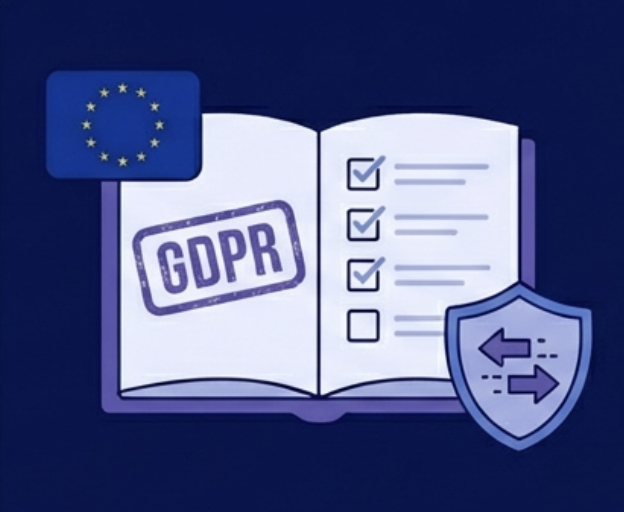
GDPR compliance doesn't have to mean sacrificing analytics. This guide shows you how to track visitors effectively while fully respecting user privacy and meeting all GDPR requirements. Since GDPR came into effect in May 2018, organizations found in violation can face fines of up to 4% of annual global revenue or €20 million, whichever is higher—making compliance essential, not optional.
Understanding GDPR Requirements
The General Data Protection Regulation (GDPR), which came into effect in May 2018, requires that any processing of personal data must have a legal basis, be transparent, and respect user rights. The regulation applies to any organization that processes personal data of EU residents, regardless of where the organization is located. For visitor analytics, this means:
- Obtaining consent before tracking (unless you have a legitimate interest)
- Being transparent about what data you collect and how it's used
- Allowing users to access, correct, or delete their data (data subject rights)
- Implementing data minimization principles (only collect what's necessary)
- Ensuring data security and breach notification (report breaches within 72 hours)
- Maintaining records of processing activities
- Conducting data protection impact assessments when necessary
The Cost of Non-Compliance
GDPR violations can result in significant penalties:
- Up to €20 million or 4% of annual global revenue (whichever is higher) for serious violations
- Up to €10 million or 2% of annual global revenue for less severe violations
- Reputational damage and loss of customer trust
- Potential class-action lawsuits from affected users
Since 2018, regulators have issued billions of euros in fines, with major tech companies facing some of the largest penalties. The European Commission's GDPR page provides official guidance and updates on enforcement.
The Privacy-First Approach
The easiest way to achieve GDPR compliance is to minimize personal data collection from the start. Privacy-first analytics platforms are designed with GDPR principles built in, making compliance significantly easier:
GDPR-Compliant by Default
- No personal data: Only anonymous identifiers and behavioral patterns
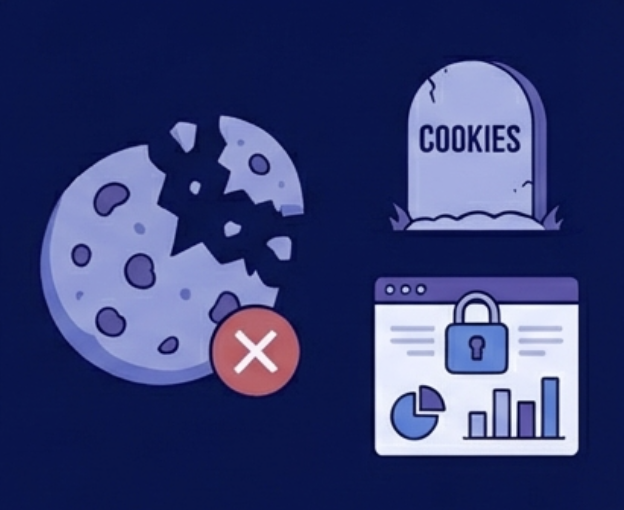
- No cookies required: Eliminates consent management complexity
- Data minimization: Only collect what's necessary for analytics
- Transparent processing: Clear privacy policies and data practices
Key GDPR Principles for Analytics
1. Lawful Basis
GDPR requires a lawful basis for processing personal data. For analytics, you typically need either consent or legitimate interest.
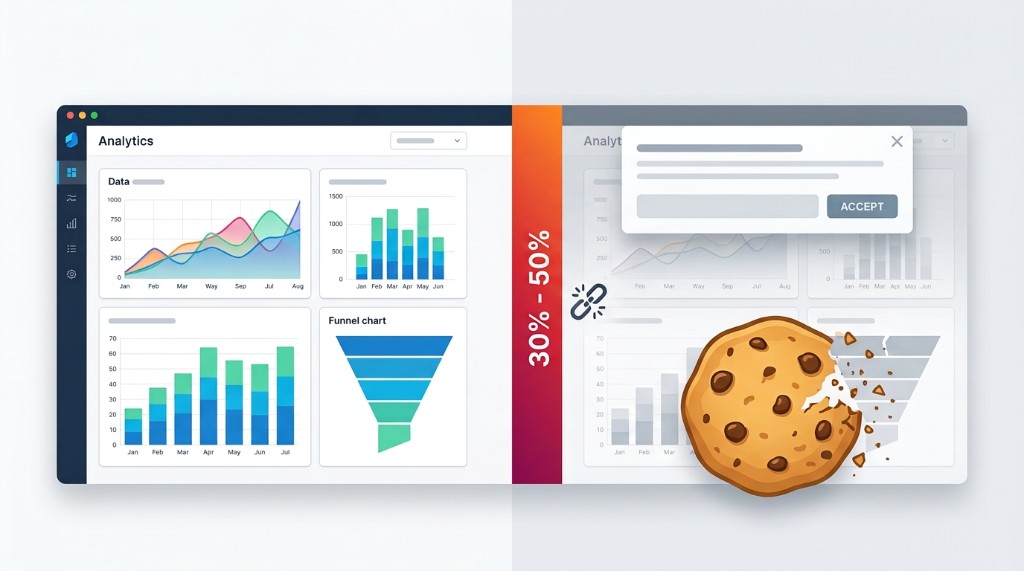
Consent: Must be freely given, specific, informed, and unambiguous. Users must be able to withdraw consent as easily as they gave it. Cookie consent banners are a common way to obtain consent, but they can reduce data collection if users decline.
Legitimate Interest: Can be used when processing is necessary for your legitimate interests (like website analytics) and doesn't override the user's rights. Analytics platforms that don't collect personal data (only anonymous identifiers) can often rely on legitimate interest, making compliance simpler and avoiding consent management overhead.
Important: If you're using cookies or collecting personal data (like IP addresses without anonymization), you typically need explicit consent. Always consult with a legal professional to determine the appropriate lawful basis for your specific use case.
2. Data Minimization
GDPR requires that you only collect data that's necessary for your specific purpose. For analytics, this means collecting only what you need to understand visitor behavior—not everything you can collect. Ask yourself: "Do I really need this data point to achieve my analytics goal?"
Privacy-first platforms automatically minimize data collection by design, typically collecting only:
- Page views and navigation paths
- Basic device/browser information (anonymized)
- Referrer information
- Time-based metrics (session duration, bounce rate)
They avoid collecting personal data like full IP addresses, email addresses, names, or other personally identifiable information (PII) unless absolutely necessary and with proper consent.
3. Transparency
GDPR requires transparency about data processing. Your privacy policy must clearly explain:
- What data you collect (be specific, not vague)
- Why you collect it (the purpose)
- How long you keep it (retention period)
- Who you share it with (if anyone)
- User rights and how to exercise them
- Contact information for data protection inquiries
Write your privacy policy in plain language that users can understand—avoid legal jargon. Many organizations also provide a simplified "privacy notice" in addition to the full privacy policy. The GDPR.eu website offers templates and guidance for creating compliant privacy policies.
4. User Rights (Data Subject Rights)
GDPR grants users several rights regarding their personal data. You must be able to fulfill these requests:
- Right of access: Users can request a copy of their personal data
- Right to rectification: Users can correct inaccurate data
- Right to erasure ("right to be forgotten"): Users can request deletion of their data
- Right to restrict processing: Users can limit how you use their data
- Right to data portability: Users can receive their data in a machine-readable format
- Right to object: Users can object to processing based on legitimate interest
You must respond to these requests within one month (can be extended to two months for complex requests). Privacy-first platforms that use anonymous identifiers make this easier since there's less personal data to manage, and some requests may not apply if no personal data is collected.
GDPR Compliance Checklist for Analytics
Essential Steps
- ✓Conduct a data audit: Document what data you collect, why, where it’s stored, and who has access
- ✓Choose the right lawful basis: Determine whether you need consent or can use legitimate interest
- ✓Update your privacy policy: Clearly explain your analytics practices in plain language
- ✓Implement data retention policies: Automatically delete data after a set period (e.g., 30, 90, or 365 days)
- ✓Secure data storage: Use encryption for data at rest and in transit
- ✓Establish breach procedures: Have a plan to detect, report (within 72 hours), and respond to data breaches
- ✓Enable user rights: Provide mechanisms for users to access, correct, or delete their data
- ✓Regular audits: Periodically review your data practices and update as needed
Common GDPR Compliance Tools
Various tools can help you achieve and maintain GDPR compliance:
Cookie Consent Management
If you use cookies, you'll need a consent management platform (CMP) to:
- Display cookie consent banners
- Allow users to accept or decline different cookie categories
- Store consent preferences
- Provide consent withdrawal mechanisms
Popular options include OneTrust, Cookiebot, and Osano. However, using cookie-free analytics eliminates the need for these tools entirely.
Privacy Policy Generators
Tools like Termly, iubenda, and PrivacyPolicies.com can help generate GDPR-compliant privacy policies. However, always have a legal professional review any generated policy to ensure it accurately reflects your practices.
Data Protection Impact Assessments (DPIA)
For high-risk processing activities, GDPR requires a DPIA. The European Data Protection Board (EDPB) provides guidance on when and how to conduct DPIAs.
Getting Started: A Practical Approach
Achieving GDPR compliance for analytics doesn't have to be overwhelming. Here's a practical approach:
Step 1: Assess Your Current Setup
Start by documenting:
- What analytics tools you're currently using
- What data they collect (check their documentation)
- Whether you use cookies and what types
- Your current privacy policy and consent mechanisms
Step 2: Choose Your Compliance Strategy
You have two main paths:
- Cookie-based analytics with consent: Use traditional tools but implement proper consent management. This requires cookie banners and may result in data loss when users decline.
- Cookie-free analytics: Use platforms that don't require cookies or consent, relying on legitimate interest. This simplifies compliance and provides 100% data capture.
Step 3: Update Documentation
Update your privacy policy to accurately reflect your analytics practices. Be specific about what you collect, why, and how long you keep it. Make it easy for users to understand and exercise their rights.
Conclusion
GDPR compliance doesn't mean you have to give up on analytics. By choosing the right approach—whether that's implementing proper consent management for cookie-based tools or switching to cookie-free analytics—you can get powerful insights while staying fully compliant with GDPR requirements.
The key is to minimize personal data collection from the start, be transparent about your practices, and respect user privacy. This approach not only ensures compliance but also builds trust with your visitors and reduces the risk of costly fines.
When selecting an analytics solution, look for platforms that are GDPR-ready by default—those that don't require cookies, minimize personal data collection, and handle compliance requirements automatically. This will save you time, reduce legal risk, and demonstrate your commitment to user privacy.
Additional Resources
- European Commission GDPR Portal — Official GDPR information and guidance
- GDPR.eu — Comprehensive GDPR guide and resources
- EDPB Guidelines — Official guidelines from the European Data Protection Board
Important: This guide provides general information and should not be considered legal advice. Always consult with a qualified legal professional for specific GDPR compliance questions related to your business.
Siva J.P.
Privacy Research Lead at WysLeap