For a month, AI assistants never recommended WysLeap unless the question already named us. Five days after we changed a few things on our own site, Gemini named WysLeap first for a buyer's question, and so did OpenAI. Here is exactly what we changed, the data behind it, and what still hasn't moved.
This is one small site, one week and one winning question, so treat it as a field note rather than proof. Every number below comes from WysLeap's own tracking of wysleap.com.
The starting point: invisible
WysLeap's Brand Mention Monitor asks 25 questions about our category three times a week on Google Gemini, Perplexity and OpenAI. From October 12 to November 8:
- Across about 600 answers to questions that didn't name us, WysLeap was named zero times. We were only named when the question did.
- The answers cited roundups and how-to pages, many written by vendors who list themselves: “best Google Analytics alternatives” posts and similar.
- On niche questions, very small tools got named when they had one page answering exactly that question.
- OpenAI's search crawler, OAI-SearchBot, was checking our
robots.txtbut not reading our pages. - Not one visitor arrived from an AI assistant in 56 days.
The diagnosis wasn't crawlability: Perplexity's crawler, among others, was reading the site. It was that no page answered the questions buyers ask, and nothing told OpenAI's index our pages existed.
What we changed
1. Pages that answer one question each (November 8)
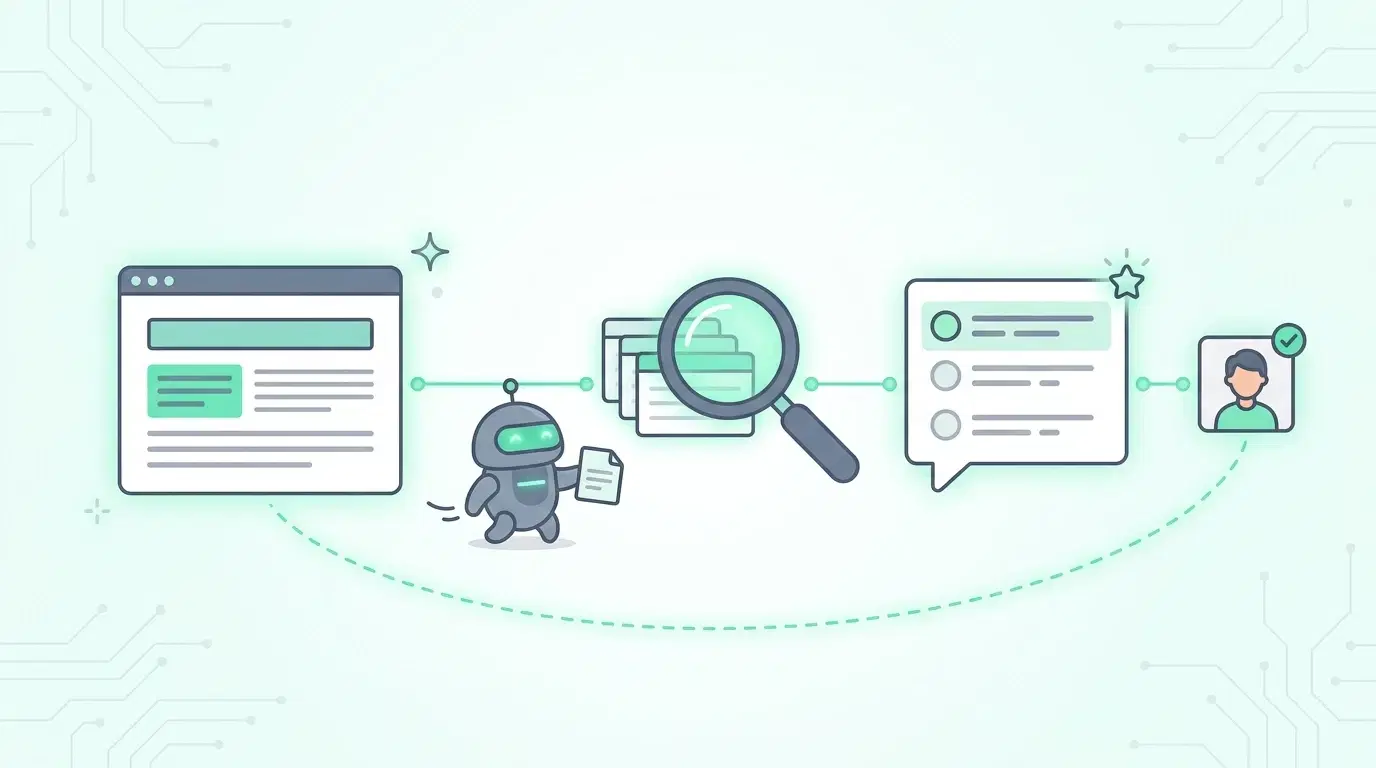
We published five guides, each built around one question we track, such as “What's an affordable analytics tool for a small SaaS that scores visitor intent?” . The question is the headline, the answer is the first paragraph, WysLeap is named in it with specifics, and the page includes an honest comparison and an FAQ marked up as structured data.
2. Bing Webmaster Tools (November 8)
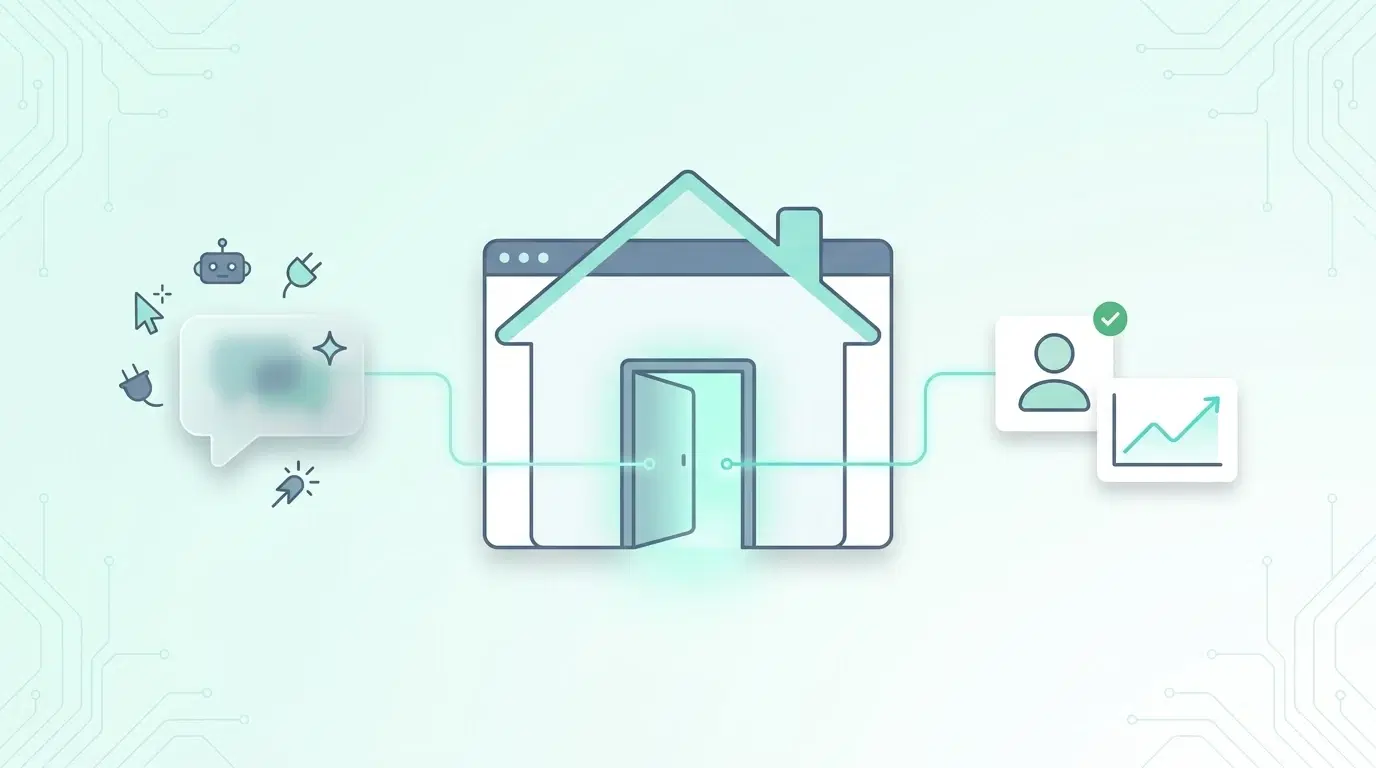
ChatGPT's search leans heavily on Bing's index. We verified the site in Bing Webmaster Tools (importing it from Google Search Console took a few minutes) and submitted the sitemap.
3. IndexNow (November 10)
IndexNow lets a site tell Bing and other engines the moment a page changes. We added a daily job that submits recently changed pages, and submitted all 64 URLs once.
What happened
- November 13: OAI-SearchBot started reading pages, not just
robots.txt. From November 8 to 14 it made 1,039 requests across 69 pages, every new guide included. PerplexityBot made 106 requests across 68 pages in the same week. - November 13: asked the small-SaaS intent question, Gemini named WysLeap first in all three of its answers, citing the guide. OpenAI named WysLeap first in one of its three, citing our intent scoring page. WysLeap's accuracy check found all four answers accurate.
- Gemini also cited our bot-filtering guide twice, without naming WysLeap. That guide put WysLeap at the end of its answer instead of the start; we've since changed it.
- The site had its first visitor from an AI assistant: someone arriving from chatgpt.com on our intent scoring article.
We can't prove each change caused each result. The timing is consistent, though: OpenAI's crawler began reading pages within days of the Bing verification and IndexNow submission, and the page that got named was the one written most directly as an answer.
What didn't work (yet)
- Perplexity still never names us. Its crawler read every guide, but its answers cite large, established sites: vendor documentation, Google's help pages, big blogs. Our own pages don't move it; mentions on other sites will have to.
- Broad questions are unchanged. “What is the best web analytics platform?” still goes to Google Analytics, Matomo and Mixpanel. Niche questions are where a small site can win first.
- Some answers were out of date. Days after we changed our trial to include SEO & GEO, Gemini still described the old terms. AI answers lag your site, which is why it matters when crawlers last read each page.
What we'd tell another small company
- Track the questions your buyers ask, not your brand name, and ask each one several times: answers vary from run to run.
- Write one page per question, with the answer first and your product named in it, plainly and with specifics.
- Start with niche questions, where a small, specific page can beat big brands.
- Get into Bing with Webmaster Tools and IndexNow, then check that AI crawlers actually read your pages. Your analytics script won't show them; see how to see which AI crawlers visit your site.
- Earn mentions elsewhere for the engines that only trust established sites.
How we measured
All of this came from WysLeap's AI search visibility features on our own site: the Brand Mention Monitor for answers and citations, server-side AI crawler tracking with IP verification for what crawlers read, and AI referral tracking for the visitors they send. Answers come from each engine's API, which approximates but isn't identical to what people see in the ChatGPT, Gemini and Perplexity apps. If you want to compare tools for this, see the best AI visibility tools.